
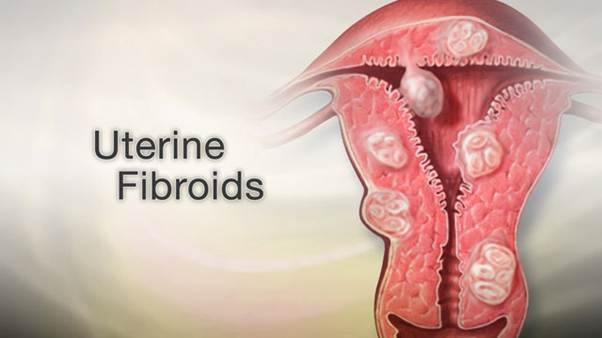
Uterine fibroids are growths that happen in or on the uterus but are not cancerous. A lot of women have fibroids, but not all of them have symptoms. Some women only find out they have them during routine checkups. We will talk about why fibroids happen and how modern treatments can help below.
What Causes Fibroids?
Doctors believe fibroids arise from a combination of:
- Hormones (estrogen and progesterone)—these fuel fibroid growth during reproductive years, and fibroids often shrink after menopause.
- Genetic predisposition—having a family history of fibroids increases risk.
- Growth factors—natural substances like insulin-like growth factor may encourage fibroid growth.
- Changes in uterine tissue structure—fibroids contain extra dense “building material,” making them firm and fibrous.
Who Is More Likely to Get Fibroids?
You may be at higher risk if you:
- Are between 30–50 years old
- Have close female relatives with fibroids
- Identify as African or Asian heritage
- Are overweight—fat tissue produces extra estrogen
- Began menstruating very early (before age 10–11)
- Have low Vitamin D or high blood pressure
Common Symptoms
Fibroids may stay silent—or can cause:
- Heavy or prolonged periods
- Intense menstrual cramps
- Pelvic pain or pressure
- Bulging or firmness in lower abdomen
- Frequent urination or constipation
- Challenges with conception or pregnancy loss in some cases
Non-Surgical Treatment
1. Medications
- Pain relievers (like ibuprofen), iron supplements
- Hormonal therapies, including birth control methods or GnRH agonists to temporarily shrink fibroids
Surgical Treatment
2. Minimally Invasive & Non-Surgical Procedures
- Uterine Fibroid Embolization (UFE): cuts off fibroid blood supply to shrink them
- Radiofrequency Ablation (RFA): uses heat (microwave energy) to treat small fibroids
- Endometrial Ablation: targets the inner lining to manage bleeding symptoms
3. Laparoscopic & Robotic Surgeries
- Laparoscopic Myomectomy: Removes fibroids via small incisions, preserving the uterus
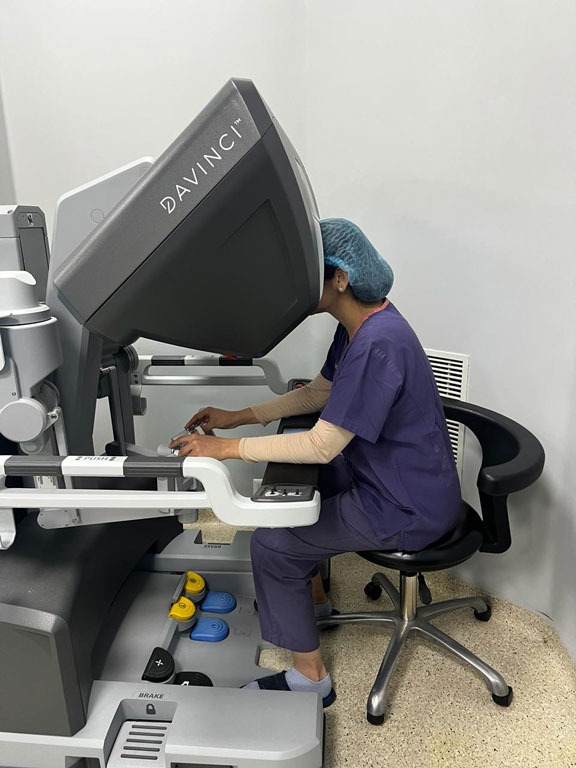
- Robotic Myomectomy / Robotic Hysterectomy: powered by the da Vinci Surgical System, these offer precision, minimal pain, faster recovery, and excellent cosmetic outcomes
4. Traditional Surgery (when needed)
- Hysteroscopic or Laparotomic Myomectomy depending on fibroid number and size
- Hysterectomy (vaginal, laparoscopic, or open) as a permanent option
5. Supportive Environment and Expertise
- Dr Astha Dayal team of internationally accredited gynaecologists with over thousands fibroid surgeries performed, state-of-the-art theaters, and minimally invasive focus
| Treatment Option | Benefits | Best For |
| Medication | Non-invasive, improves symptoms | Small fibroids, initial management |
| UFE / RFA / Endometrial Ablation | Minimally invasive, uterus-preserving | Moderate cases seeking fertility |
| Laparoscopic / Robotic Surgery | Precise, fast recovery, minimal scarring | Larger/multiple fibroids, surgical need |
| Traditional Surgery | Definitive solution | Severe cases, completed family planning |
Conclusion
Uterine fibroids develop through a combination of hormonal, genetic, and lifestyle factors. The good news?
Many women live symptom-free or find relief through a spectrum of modern, personalized treatment options at CK Birla Hospital—especially under expert care like Dr. Astha Dayal’s.